
Professor Emeritus Dr. Alexander G. Flor (center left), together with the ISRGA22-2024 research team, closes the 4th Project Coordination Meeting in UP Baguio with a commemorative photo.
UPOU-FICS, together with the seven UP constituent units (CU), discussed the research team’s remaining deliverables during its 4th Project Coordination Meeting last 20-23 November 2025 in Baguio as it approached project completion.
UP ISC Research Project ISRGA22-2024 explores the disruptive potential of artificial intelligence, virtual reality, and quantum computing in higher education, especially in terms of curricula, pedagogy, delivery, and assessment.
In its routine meeting, Principal Investigator Dr. Alexander G. Flor shared the project’s milestones, particularly the recently concluded Delphi Inquiry with 14 thought leaders, one of the project’s research methodologies. A draft of the study’s book manuscript is also underway.
Talks on the possibility of a no-cost contract extension were also raised given the time required for the academic publishing process. As of date, the project is currently consolidating its manuscript, including the abstract journal articles from each co-Principal Investigator and CU Lead Collaborator.
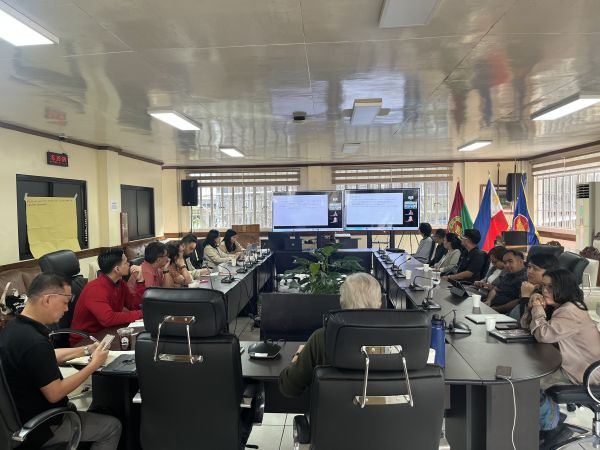
The ISRGA22-2024 research team with the members of the faculty from the College of Communication and Arts in UP Baguio during its meeting last 21 November 2025.
A writeshop commenced for three days where the research staff worked on their individual articles. After its first day in UP Baguio, the research team also conducted its second round of the Most Significant Change (MSC) exercise, garnering a total of 13 participants from faculty members of the College of Arts and Communication. Each participant shared stories of change when disruptive technologies such as Artificial Intelligence entered their classrooms.
Chancellor Joel M. Addawe also paid a courtesy visit to the research team and expressed his support to the activity as the workshop progressed.
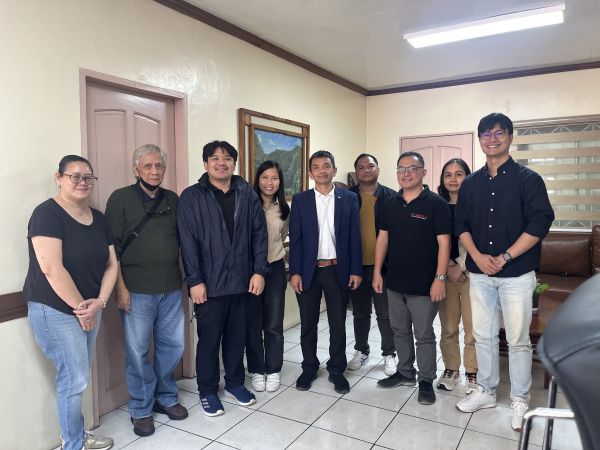
From left to right: Prof. Cecilia Fe Abalos, Prof. em. Alexander G. Flor, Assoc. Prof. Roberto B. Figueroa Jr., Assoc. Prof. Ria Mae H. Borromeo, Chancellor Joel M. Addawe, Prof. Johnrev Guilaran, Assoc. Prof. John N. Ponsaran, Assoc. Prof. Crina E. Tañongon, and Assoc. Prof. Reinald Adrian D. Pugoy.
The following days were allotted for the research team to share and consult the progress of their articles. The Delphi Inquiry process flow and results, and the scenario building construction draft were also reviewed and vetted in preparation for the research’s manuscript.
In a related engagement, Dr. Flor was also invited as a keynote speaker in the National Conference on Research for Teacher Education (NCRTE) in UP Diliman to share the research project’s goals and objectives. This is in part of the research project’s activities to visit and engage with different UP CUs to talk about the research’s endeavors.
By anticipating possible scenarios of the impacts of disruptive technologies on education, the research allows strategic foresight for the UP community to navigate the changing environment of education amidst the emerging technological shifts in society. The systematic documentation of the sensemaking process lays the groundwork for measures that empowers students, educators, and staff to proactively adapt to the evolving academic landscape.
Written by: Maria Andrea Bodaño